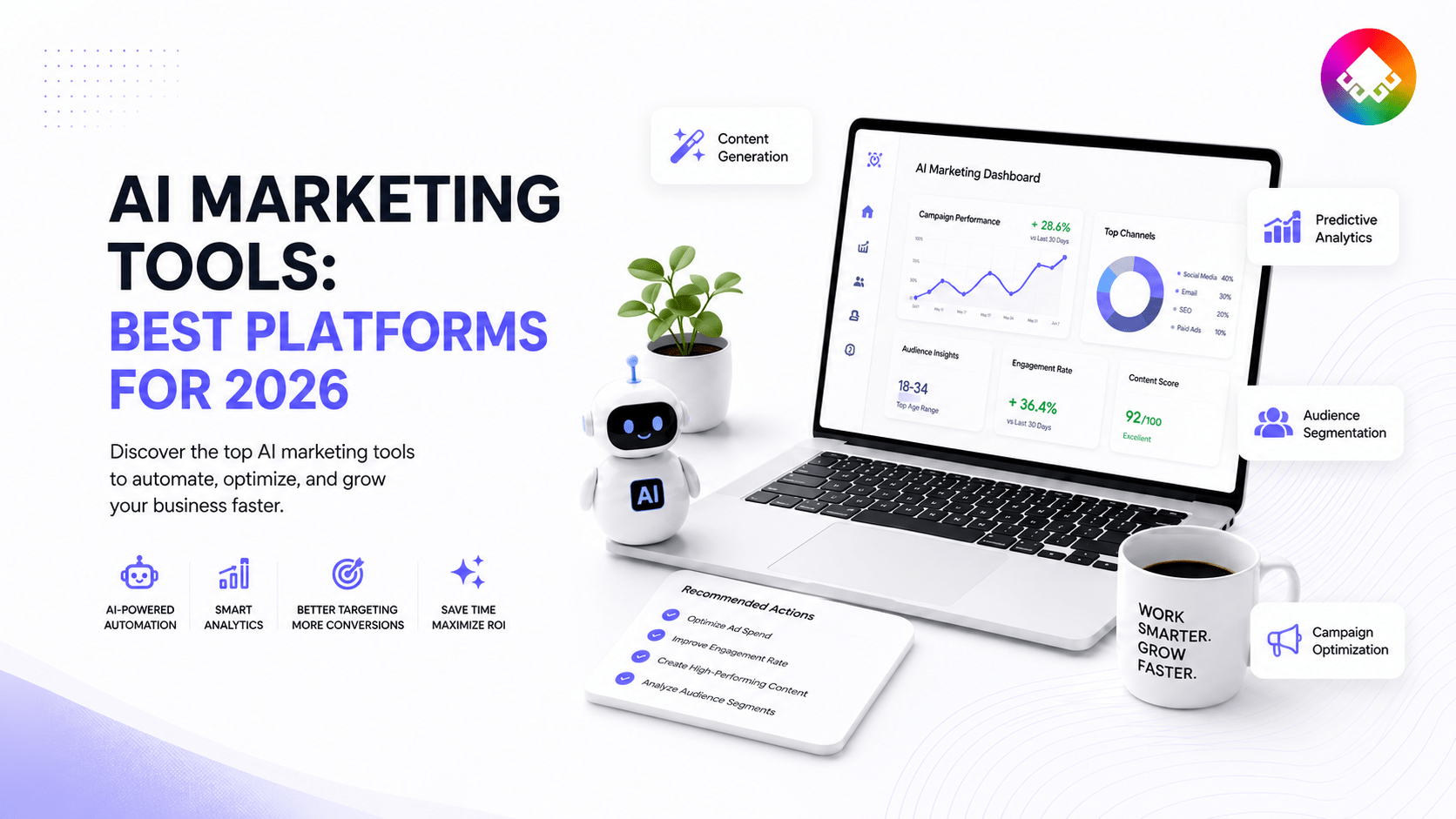
The digital marketing landscape is evolving faster than ever, and AI Marketing Tools are at the forefront of this transformation. As businesses compete for attention in an increasingly crowded online space, artificial intelligence has become the secret weapon for marketers seeking efficiency, personalization, and measurable results. In 2026, the integration of AI into marketing strategies is no longer optional, it’s essential.
This comprehensive guide explores the best AI Marketing Tools for 2026, their features, benefits, and how they can revolutionize marketing strategies. From content creation and SEO optimization to customer engagement and predictive analytics, these tools are reshaping how brands connect with audiences.
What Are AI Marketing Tools?
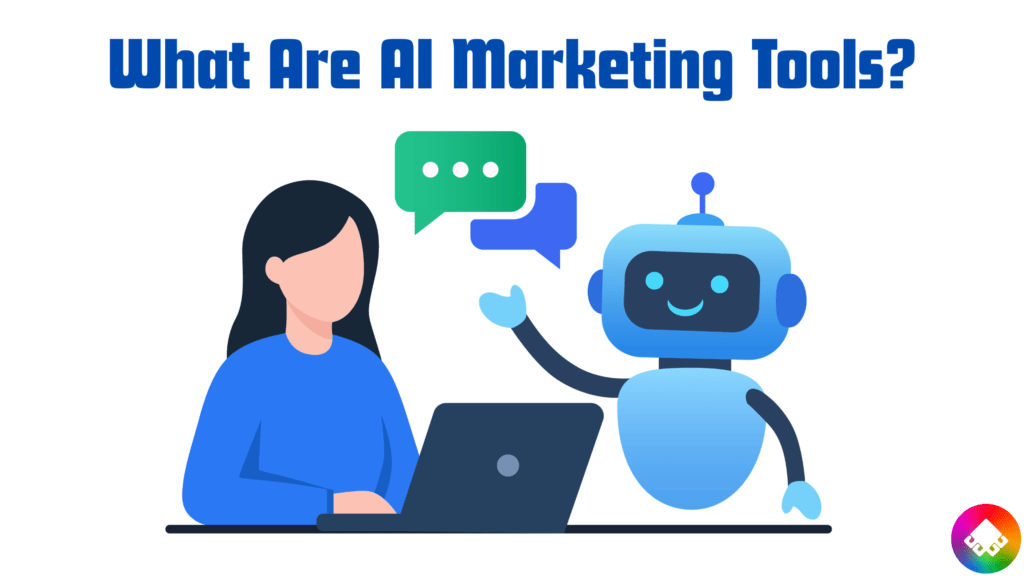
AI marketing tools are software platforms that integrate with LLMs and your existing marketing workflows, using MCP (Model Context Protocol), to help automate internal workflows for marketers.
These tools can handle tasks such as:
- Content generation and optimization
- Customer segmentation and targeting
- Predictive analytics and trend forecasting
- Chatbots and conversational marketing
- Social media management and sentiment analysis
- Email marketing automation
By leveraging AI Marketing Tools, businesses can save time, reduce costs, and deliver more personalized experiences to their customers.
Why AI Marketing Tools Matter in 2026
The year 2026 marks a new era of digital marketing. With the rise of voice search, visual content, and hyper-personalized experiences, marketers need smarter solutions. AI Marketing Tools provide the intelligence and automation required to stay ahead of competitors.
Key Reasons AI Marketing Tools Are Essential:
- Data-Driven Decisions: AI analyzes massive amounts of data to uncover insights that humans might miss.
- Personalization at Scale: AI enables marketers to deliver tailored messages to millions of users simultaneously.
- Efficiency and Automation: Routine tasks like scheduling posts, sending emails, and analyzing metrics are automated.
- Predictive Capabilities: AI forecasts trends, helping marketers plan campaigns proactively.
- Enhanced ROI: By optimizing campaigns in real time, AI Marketing Tools maximize return on investment. AI Marketing Tools that can help businesses automate campaigns, improve personalization, and increase ROI in 2026.
Top AI Marketing Tools for 2026
1. Jasper AI
Jasper AI remains one of the most powerful AI Marketing Tools for content creation. It uses advanced natural language processing to generate blog posts, ad copy, and social media content that aligns with brand voice.
Key Features:
- SEO-optimized content generation
- Tone and style customization
- Integration with Surfer SEO and Grammarly
- Multilingual support
Best For: Content marketers, bloggers, and agencies seeking high-quality, scalable content.
2. HubSpot AI
HubSpot’s AI-powered marketing suite continues to dominate in 2026. It combines CRM, automation, and analytics into one platform.
Key Features:
- Predictive lead scoring
- AI-driven email personalization
- Smart content recommendations
- Automated workflows
Best For: Businesses looking for an all-in-one marketing automation solution.
3. Surfer SEO
Surfer SEO is one of the most advanced AI Marketing Tools for optimizing content. It analyzes top-ranking pages and provides actionable insights to improve search visibility.
Key Features:
- Real-time SEO scoring
- Keyword clustering and optimization
- SERP analysis
- Integration with Jasper AI
Best For: SEO professionals and content creators focused on ranking higher in search results.
4. ChatGPT for Marketing
ChatGPT has evolved into a versatile AI Marketing Tool capable of generating ideas, writing copy, and engaging customers through chatbots.
Key Features:
- Conversational AI for customer support
- Content ideation and scriptwriting
- Integration with marketing platforms
- Customizable tone and style
Best For: Businesses seeking conversational engagement and creative content generation.
5. Copy.ai
Copy.ai is a leading AI Marketing Tool for generating marketing copy, product descriptions, and ad campaigns.
Key Features:
- Templates for ads, blogs, and emails
- AI-powered brainstorming
- Multilingual content generation
- Collaboration features
Best For: Marketers who need quick, creative copy for multiple platforms.
6. MarketMuse
MarketMuse uses AI to help marketers plan, research, and optimize content strategies. It’s one of the most data-driven AI Marketing Tools for SEO and content marketing.
Key Features:
- Content gap analysis
- Topic modeling and clustering
- Competitive analysis
- AI-driven content briefs
Best For: Enterprises and agencies managing large-scale content operations.
7. Writesonic
Writesonic is another powerful AI Marketing Tool that helps create high-quality content for blogs, ads, and landing pages.
Key Features:
- AI article writer
- Landing page generator
- SEO optimization
- Integration with WordPress
Best For: Startups and small businesses looking for affordable AI content solutions.
8. Pictory AI
Pictory AI transforms text into engaging videos using artificial intelligence. It’s one of the most innovative AI Marketing Tools for video marketing.
Key Features:
- Text-to-video conversion
- Automatic captioning
- Voiceover generation
- Video summarization
Best For: Marketers focusing on video content and social media engagement.
9. Lately AI
Lately AI uses machine learning to repurpose long-form content into social media posts. It’s a time-saving AI Marketing Tool for social media managers.
Key Features:
- AI-driven content repurposing
- Social media scheduling
- Analytics dashboard
- Brand voice consistency
Best For: Businesses managing multiple social media channels.
10. SEMrush AI
SEMrush has integrated AI into its suite of marketing tools, making it one of the most comprehensive AI Marketing Tools for SEO, PPC, and content marketing.
Key Features:
- AI keyword research
- Competitor analysis
- Content optimization
- Backlink intelligence
Best For: Digital marketers and SEO professionals seeking data-driven insights.
How AI Marketing Tools Improve SEO
Search engine optimization has become more complex, and AI Marketing Tools simplify the process by automating keyword research, content optimization, and performance tracking.
Benefits of AI in SEO:
- Keyword Discovery: AI identifies high-performing keywords based on search intent.
- Content Optimization: Tools like Surfer SEO and MarketMuse ensure content aligns with Google’s ranking factors.
- Voice Search Optimization: AI helps adapt content for voice queries.
- Predictive Analytics: AI forecasts keyword trends and search volume changes.
By integrating AI Marketing Tools into SEO strategies, businesses can achieve higher rankings and better organic traffic. Discover how AI Marketing Tools Improve SEO by helping businesses find better keywords, optimize content, and increase organic traffic.
AI Marketing Tools for Social Media
Social media marketing in 2026 relies heavily on automation and personalization. AI Marketing Tools analyze engagement data, predict trends, and optimize posting schedules.
Leading Tools for Social Media:
- Lately AI: Converts blogs into social posts.
- Buffer AI: Suggests optimal posting times.
- Hootsuite Insights: Uses AI for sentiment analysis.
- Canva Magic Studio: Generates AI-powered visuals and captions.
These AI Marketing Tools help brands maintain consistent engagement and grow their online presence.
AI Marketing Tools for Email Campaigns
Email marketing remains one of the most effective channels, and AI Marketing Tools enhance it through automation and personalization.
Top Email AI Tools:
- HubSpot AI: Automates email workflows and personalization.
- Seventh Sense: Optimizes send times using behavioral data.
- Mailchimp AI: Suggests subject lines and content improvements.
- ActiveCampaign AI: Predicts customer engagement patterns.
These AI Marketing Tools ensure that every email reaches the right audience at the right time.
AI Marketing Tools for Analytics and Insights
Data is the foundation of marketing success. AI Marketing Tools analyze complex datasets to provide actionable insights.
Best Tools for Analytics:
- Google Analytics 5 (GA5): AI-driven insights and predictive metrics.
- Crimson Hexagon: Social sentiment and trend analysis.
- Tableau AI: Visualizes marketing data with predictive modeling.
- IBM Watson Marketing: Advanced customer behavior analytics.
These AI Marketing Tools empower marketers to make informed, data-backed decisions.
AI Marketing Tools for Customer Engagement
Customer engagement is critical for brand loyalty. AI Marketing Tools enhance engagement through chatbots, personalization, and predictive communication.
Leading Tools:
- Drift AI: Conversational marketing and lead qualification.
- Intercom AI: Smart chatbots for customer support.
- Zendesk AI: Predictive customer service automation.
- ManyChat: AI-driven social messaging automation.
These AI Marketing Tools create seamless, personalized customer experiences.
The Future of AI Marketing Tools
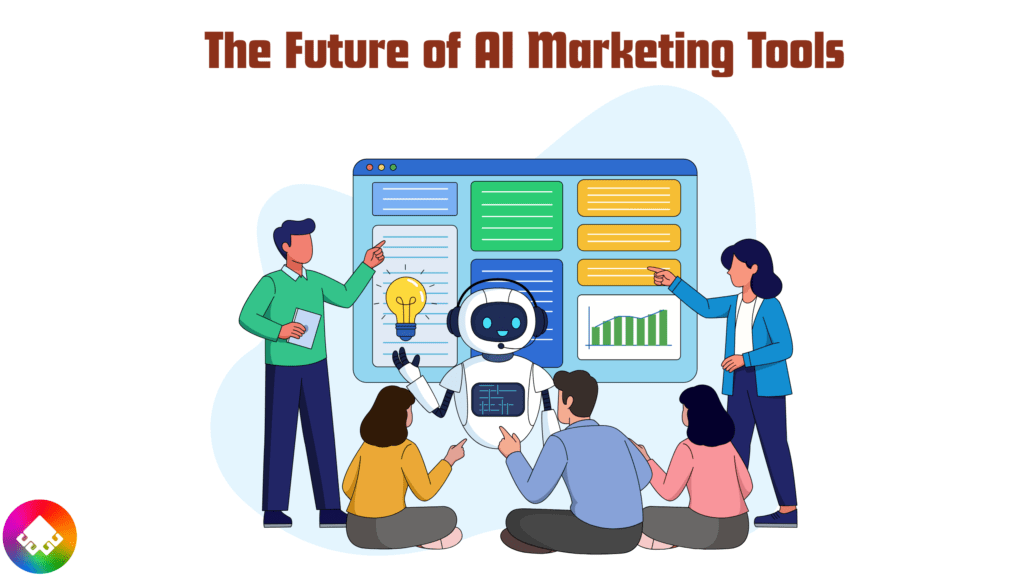
By 2026, AI Marketing Tools are expected to become even more intelligent, integrating deeper with AR, VR, and voice technologies. Predictive personalization will dominate, and AI will handle most repetitive marketing tasks.
Emerging Trends:
- Hyper-Personalization: AI will deliver one-to-one marketing experiences.
- Voice and Visual Search: Tools will optimize content for new search formats.
- AI-Powered Creativity: Generative AI will produce unique visuals, videos, and campaigns.
- Ethical AI Marketing: Transparency and data privacy will become priorities.
The future of marketing belongs to those who embrace AI Marketing Tools early and strategically.
How to Choose the Right AI Marketing Tools
Selecting the right AI Marketing Tools depends on business goals, budget, and technical requirements.
Key Considerations:
- Purpose: Identify whether the tool is for content, SEO, analytics, or engagement.
- Integration: Ensure compatibility with existing marketing platforms.
- Ease of Use: Choose tools with intuitive interfaces.
- Scalability: Opt for tools that grow with business needs.
- Support and Training: Reliable customer support is essential.
By evaluating these factors, businesses can select AI Marketing Tools that align with their marketing objectives.
Case Studies: Success with AI Marketing Tools
Case Study 1: E-commerce Brand Boosts Sales
An online retailer used AI Marketing Tools like HubSpot AI and Jasper AI to automate email campaigns and generate product descriptions. The result was a 40% increase in conversion rates within three months.
Case Study 2: SaaS Company Improves SEO
A SaaS company implemented Surfer SEO and MarketMuse to optimize blog content. Organic traffic grew by 65%, and keyword rankings improved significantly.
Case Study 3: Agency Enhances Social Media Engagement
A digital agency adopted Lately AI and Canva Magic Studio to automate social media posts. Engagement rates increased by 50%, and content production time was cut in half.
These examples demonstrate the transformative power of AI Marketing Tools across industries.
Challenges of Using AI Marketing Tools
While AI Marketing Tools offer immense benefits, they also present challenges.
Common Issues:
- Data Privacy Concerns: Managing customer data responsibly is crucial.
- Over-Reliance on Automation: Human creativity remains essential.
- Integration Complexity: Some tools require technical expertise.
- Cost: Premium AI tools can be expensive for small businesses.
Understanding these challenges helps marketers use AI Marketing Tools effectively and ethically.
Advanced Applications of AI Marketing Tools
As AI technology matures, AI Marketing Tools are expanding into new areas that go beyond traditional marketing automation.
1. Predictive Customer Behavior Modeling
AI can analyze historical data to predict future customer actions. This allows marketers to anticipate needs, personalize offers, and reduce churn.
2. Dynamic Pricing Optimization
E-commerce platforms use AI Marketing Tools to adjust prices in real time based on demand, competition, and customer behavior.
3. Sentiment and Emotion Analysis
AI can detect emotions in customer feedback, helping brands refine messaging and improve satisfaction.
4. Visual Recognition Marketing
AI-powered image recognition tools identify brand logos, products, and trends across social media platforms, providing valuable insights into brand visibility.
5. Voice and Conversational Marketing
With the rise of smart assistants, AI Marketing Tools are optimizing content for voice search and conversational interfaces.
Ethical Considerations in AI Marketing
As AI Marketing Tools become more powerful, ethical marketing practices are increasingly important.
Key Ethical Principles:
- Transparency: Customers should know when they’re interacting with AI.
- Data Privacy: Protecting user data must be a top priority.
- Bias Reduction: AI algorithms should be trained on diverse datasets to avoid bias.
- Accountability: Marketers must take responsibility for AI-driven decisions.
Ethical use of AI Marketing Tools builds trust and strengthens brand reputation. Learn why Ethical AI Marketing is important for building customer trust, protecting user data, and creating responsible AI-driven campaigns.
The Role of AI Marketing Tools in Small Businesses
Small businesses often assume AI is only for large corporations, but AI Marketing Tools are now accessible and affordable.
Benefits for Small Businesses:
- Cost Efficiency: Automates tasks that would require multiple employees.
- Scalability: Tools grow with the business.
- Improved Targeting: AI identifies the most profitable customer segments.
- Enhanced Creativity: AI assists in generating ideas and content.
Affordable AI Marketing Tools like Writesonic, Copy.ai, and Canva Magic Studio empower small businesses to compete with larger brands.
Integrating AI Marketing Tools into Existing Workflows
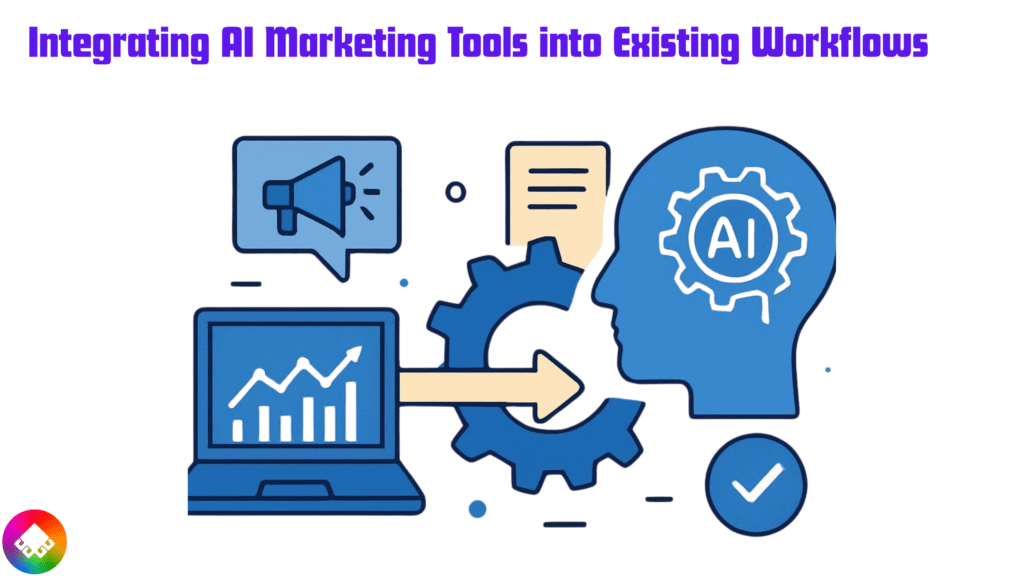
To maximize the benefits of AI Marketing Tools, integration with existing systems is essential.
Integration Strategies:
- CRM Integration: Connect AI tools with CRM systems like Salesforce or HubSpot.
- Data Synchronization: Ensure consistent data flow between platforms.
- API Connectivity: Use APIs to link AI tools with analytics and automation software.
- Training and Onboarding: Educate teams on how to use AI effectively.
Proper integration ensures that AI Marketing Tools enhance productivity rather than complicate workflows.
Measuring the ROI of AI Marketing Tools
Evaluating the return on investment (ROI) of AI Marketing Tools helps justify their cost and optimize usage.
Key Metrics to Track:
- Conversion Rate Improvement
- Customer Acquisition Cost (CAC)
- Engagement Rate
- Lead Quality
- Revenue Growth
By tracking these metrics, businesses can measure the tangible impact of AI Marketing Tools on performance.
The Human-AI Collaboration in Marketing
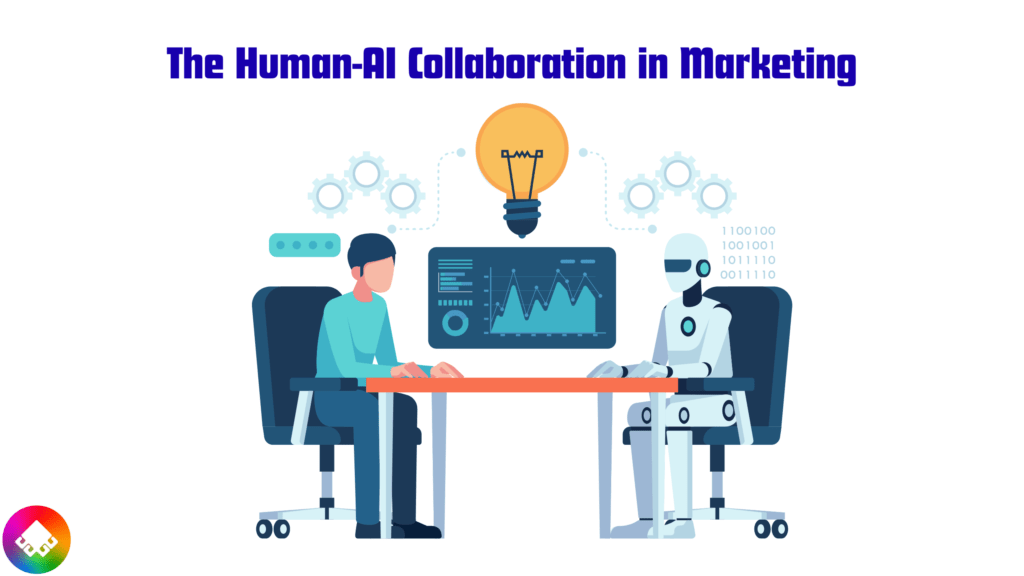
The most effective marketing strategies in 2026 are built on a partnership between human imagination and artificial intelligence. Machines excel at processing vast amounts of data, identifying trends, and automating repetitive tasks, while people bring emotional intelligence, cultural awareness, and creative intuition to the table. This synergy allows campaigns to be both data-driven and deeply human.
Artificial intelligence can analyze consumer behavior, predict preferences, and recommend the best times or channels for engagement. However, it is human insight that transforms these findings into compelling narratives that connect with audiences on a personal level. The emotional depth, humor, and empathy that people contribute cannot be replicated by algorithms alone.
In this collaborative model, technology acts as a strategic assistant rather than a replacement. It provides marketers with insights, performance metrics, and optimization suggestions, freeing them to focus on innovation and storytelling. Teams can experiment more confidently, knowing that data-backed recommendations guide their creative decisions.
This partnership also enhances adaptability. As markets shift and consumer expectations evolve, artificial intelligence quickly identifies new patterns, while human teams interpret these signals and adjust messaging to maintain authenticity. The result is a continuous feedback loop where creativity and computation reinforce each other.
Organizations that embrace this balance cultivate stronger brand identities and more meaningful customer relationships. They move beyond simple automation to create experiences that feel personal, relevant, and emotionally resonant. In the future, the most successful brands will be those that treat technology as a collaborator an intelligent partner that amplifies human potential rather than replacing it. Explore how Human-AI Collaboration in Marketing helps brands combine creativity, data insights, and automation to build stronger customer relationships.
The Global Impact of AI Marketing Tools
The influence of AI Marketing Tools extends beyond individual businesses. Globally, they are reshaping how industries operate, how consumers interact with brands, and how economies grow.
Economic Growth and Job Transformation
AI-driven marketing has created new job categories such as AI content strategists, data ethicists, and automation specialists. While automation replaces some repetitive roles, it also opens opportunities for creative and analytical positions.
Sustainability and Efficiency
AI helps reduce waste in marketing budgets by targeting the right audiences and minimizing irrelevant ad spend. This efficiency contributes to more sustainable marketing practices, aligning with global environmental goals.
Cross-Cultural Marketing
AI Marketing Tools enable brands to localize campaigns for different regions using language translation, cultural sentiment analysis, and regional trend prediction. This global adaptability allows companies to expand internationally with precision.
Continuous Learning and Adaptation in AI Marketing
AI systems thrive on data, and their effectiveness improves over time. Marketers must continuously feed these systems with updated information, customer feedback, and performance metrics.
Adaptive Algorithms
Modern AI Marketing Tools use adaptive algorithms that evolve with market trends. They learn from campaign outcomes and automatically adjust strategies for better performance.
Human Oversight
Despite automation, human oversight remains vital. Marketers must monitor AI outputs to ensure accuracy, ethical compliance, and brand consistency.
Ongoing Education
As AI evolves, marketers must stay informed about new technologies, regulations, and best practices. Continuous learning ensures that businesses fully leverage the potential of AI Marketing Tools.
AI Marketing Tools: Best Platforms for 2026 – FAQ

1. What are AI marketing tools?
AI marketing tools use artificial intelligence to automate tasks, analyze data, create content, optimize campaigns, and improve marketing performance across multiple channels.
2. Why are AI marketing tools important in 2026?
AI tools help businesses save time, improve efficiency, personalize customer experiences, make data-driven decisions, and increase return on investment (ROI).
3. What can AI marketing tools do?
AI marketing platforms can assist with:
- Content creation
- Email marketing
- Social media management
- Search engine optimization (SEO)
- Advertising optimization
- Customer segmentation
- Analytics and reporting
Chatbots and customer support
4. Which businesses can benefit from AI marketing tools?
Businesses of all sizes can benefit, including:
- Startups
- Small businesses
- E-commerce brands
- Agencies
- Enterprise organizations
- B2B companies
5. Are AI marketing tools expensive?
Pricing varies widely. Many platforms offer free plans or affordable entry-level subscriptions, while enterprise solutions typically require larger investments.
6. Can AI replace human marketers?
No. AI enhances productivity and automates repetitive tasks, but human creativity, strategic thinking, and relationship-building remain essential.
7. What are the best AI tools for content creation?
Popular content creation platforms include:
- ChatGPT
- Jasper
- Copy.ai
- Writesonic
8. Which AI tools are best for SEO?
Common AI-powered SEO tools include:
- Semrush
- Ahrefs
- Surfer SEO
Conclusion
The marketing world in 2026 is defined by intelligence, automation, and personalization. AI Marketing Tools have become indispensable for businesses aiming to stay competitive in a data-driven environment. From content creation and SEO to analytics and customer engagement, these tools empower marketers to achieve more with less effort and greater precision.
The integration of artificial intelligence into marketing strategies has transformed how brands understand and interact with their audiences. Campaigns are now guided by real-time insights, predictive analytics, and adaptive learning systems that continuously refine performance. This evolution allows businesses to deliver experiences that feel uniquely tailored to each customer, strengthening loyalty and driving long-term growth.
Embracing AI Marketing Tools is not just a trend, it’s a strategic necessity. Companies that invest in intelligent automation and data-driven creativity are positioning themselves for sustained success. As technology continues to evolve, the gap between innovators and late adopters will widen, making early adoption a key competitive advantage.
The future of digital marketing belongs to organizations that combine human creativity with machine intelligence. By leveraging the strengths of both, brands can craft campaigns that are not only efficient and measurable but also authentic and emotionally engaging. Those who master this balance will define the next generation of marketing excellence.